
Two independent measurements, one conclusion
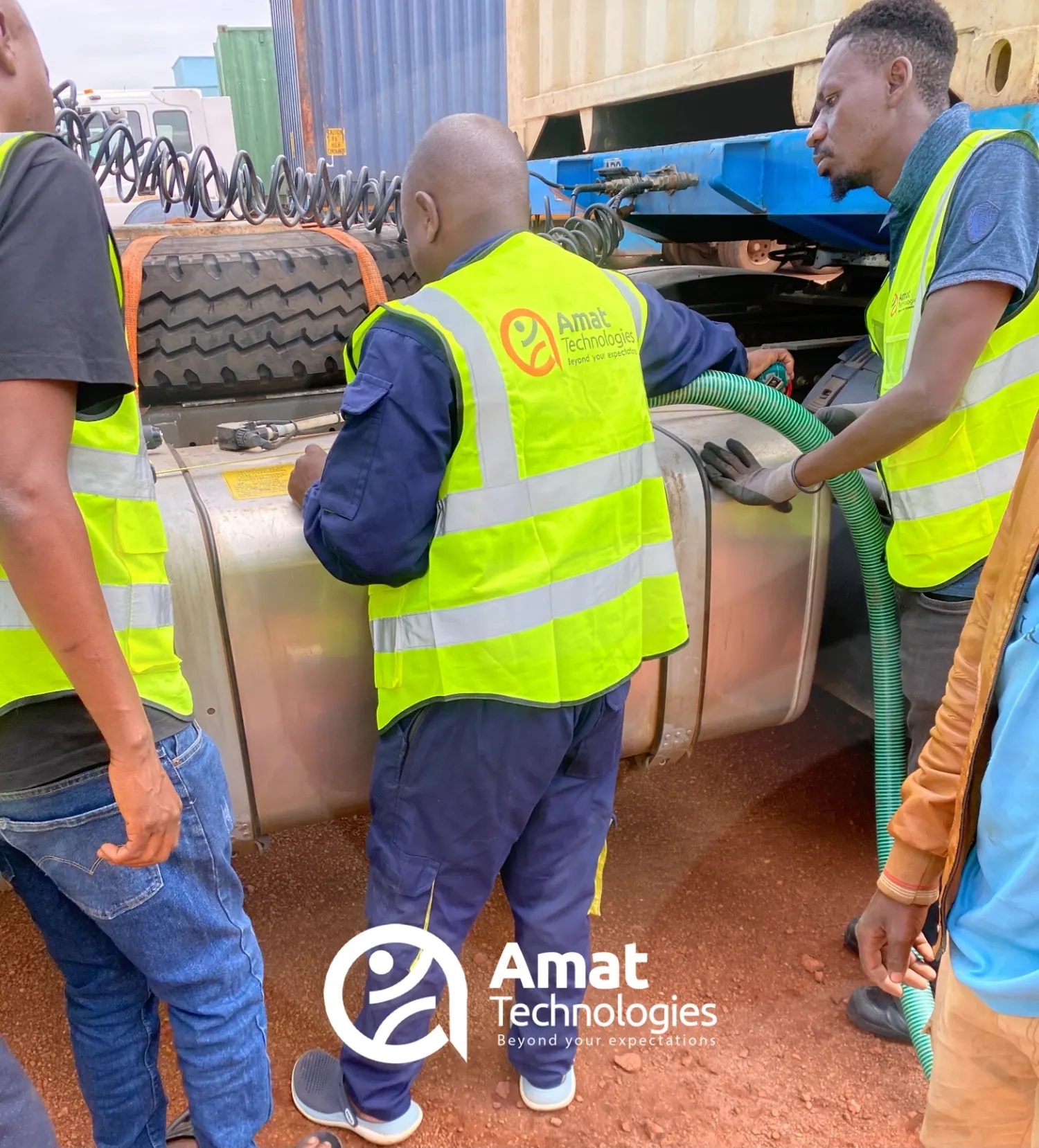
The capacitance probe reports how much volume left the tank. The engine control unit reports how much fuel it injected. When those two figures diverge beyond the calibrated tolerance, the difference did not go through the engine.
That single cross-check removes the most common driver defence — that heavy load, idling or terrain explains the loss.
Reading the bus without breaking the warranty
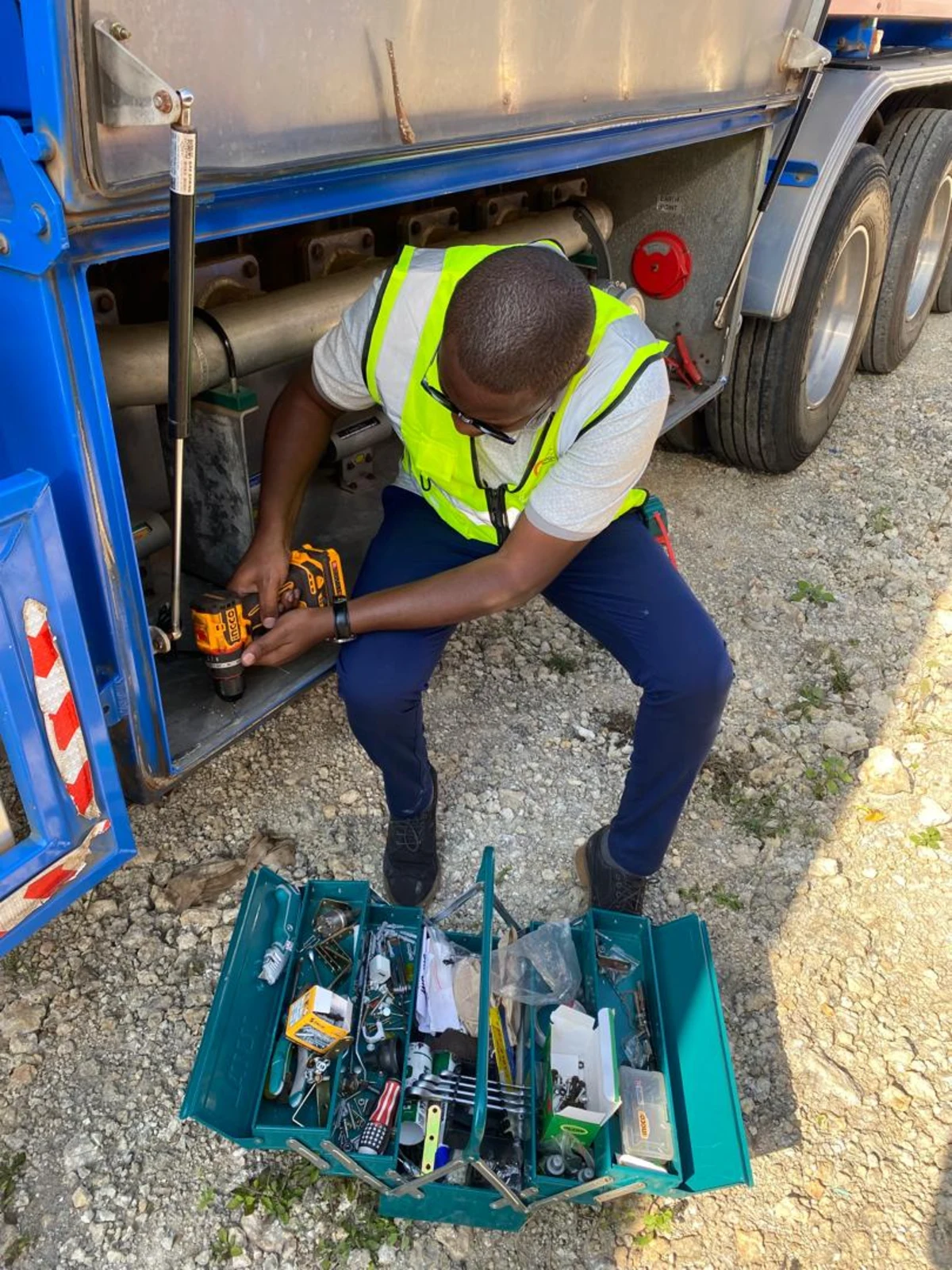
We prioritise contactless CAN readers and OEM FMS connectors so no harness is cut on vehicles still under manufacturer warranty. Where a direct tap is unavoidable, it is documented, fused and photographed in the handover pack.
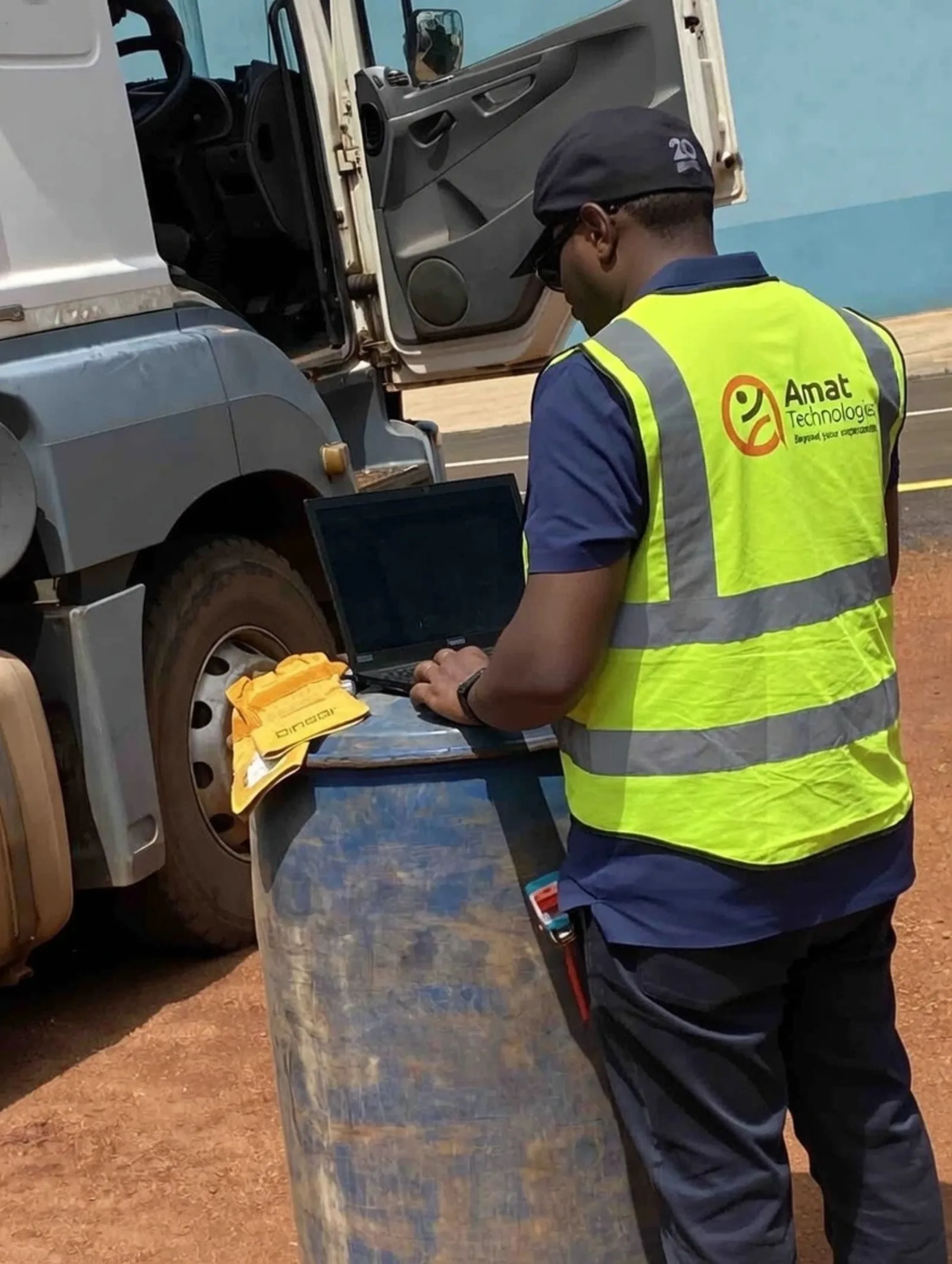
Parameter availability differs by manufacturer and model year, so every truck class is profiled before rollout instead of assuming a standard PID set.
- Total fuel used, engine hours, RPM and pedal position as primary signals
- Contactless readers preferred on warranty vehicles
- Per-model parameter profile stored for the whole fleet
Building rules that survive scrutiny
Alerts are triggered on correlated conditions rather than single thresholds: a volume drop while the ignition is off, a drop outside an approved depot geofence, or a probe-versus-ECU gap sustained over a defined window.
Correlation is what reduces false positives to a level where operations staff still trust the alert three months after go-live.
Reporting that management actually uses
Consumption is reported per 100 km and per engine hour, split by driver and route, so persistent offenders emerge from the pattern rather than from a single dramatic incident.
Key takeaways
- Probe volume and ECU consumption are complementary, not redundant
- Contactless CAN readers protect OEM warranty coverage
- Correlated multi-condition rules keep false alarms low
- Per-driver trend reporting finds systematic pilferage
Need this engineered on your fleet or plant?
Our engineers scope, install, commission and maintain across Burundi, Tanzania and DR Congo.