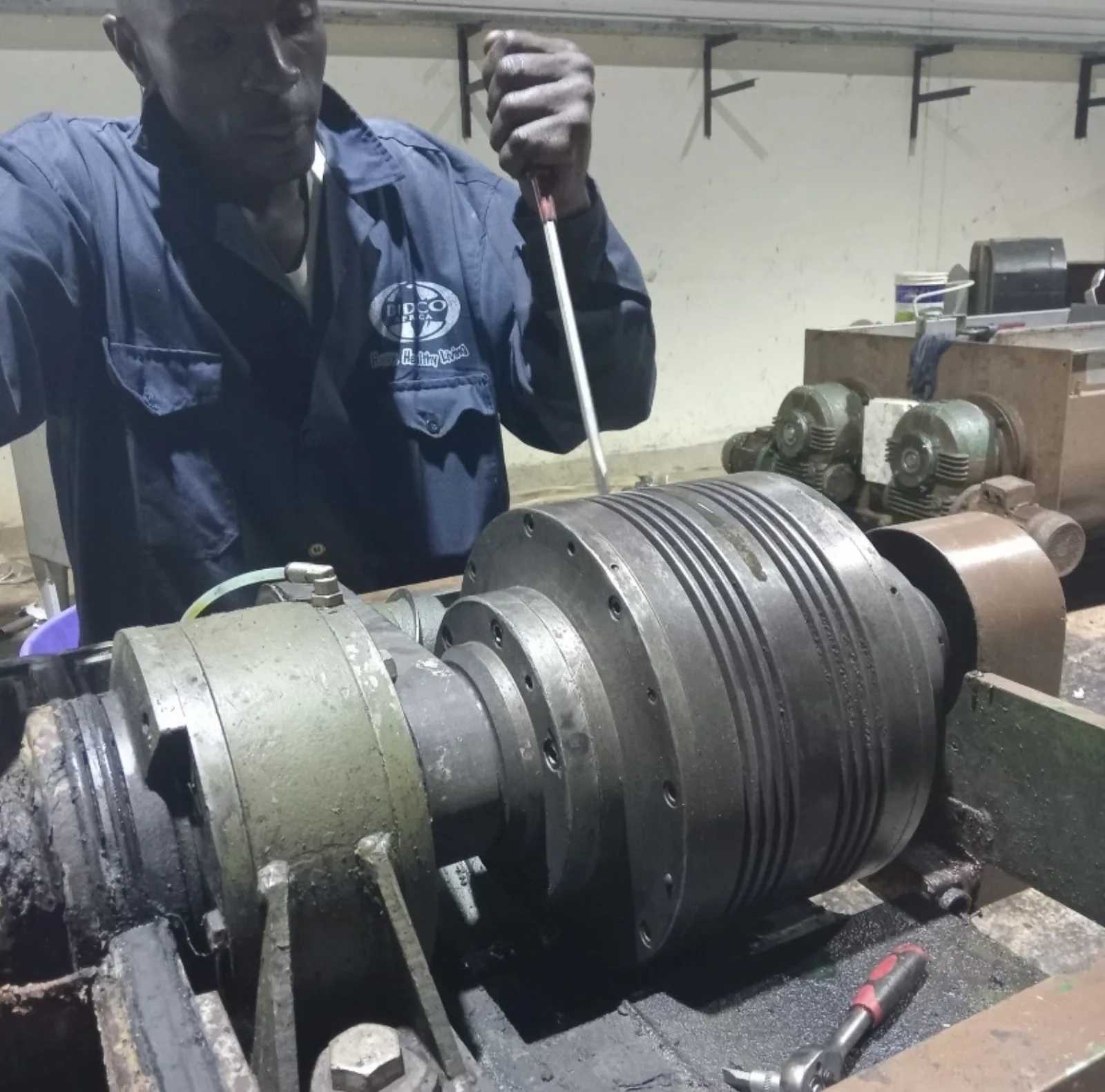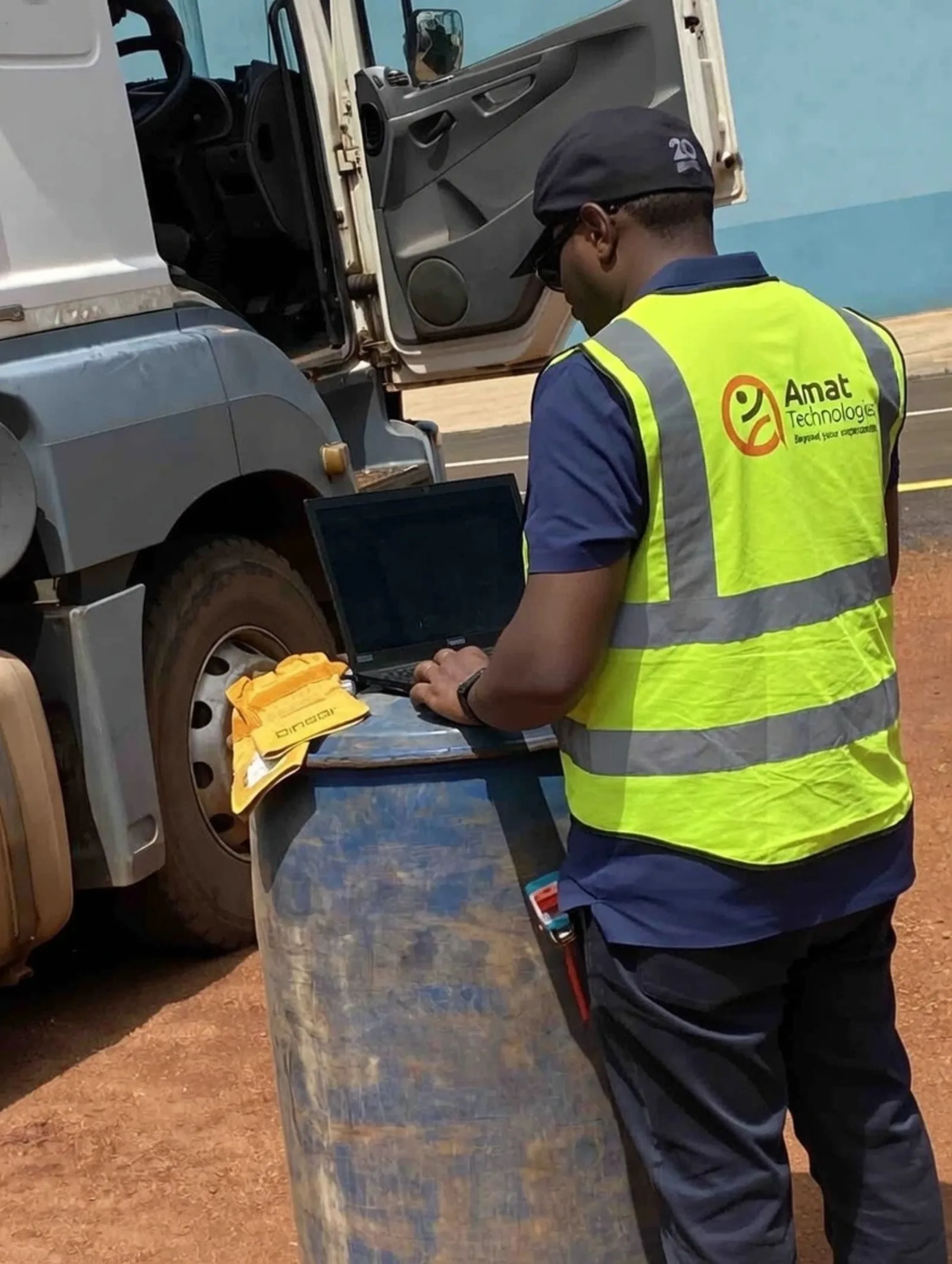
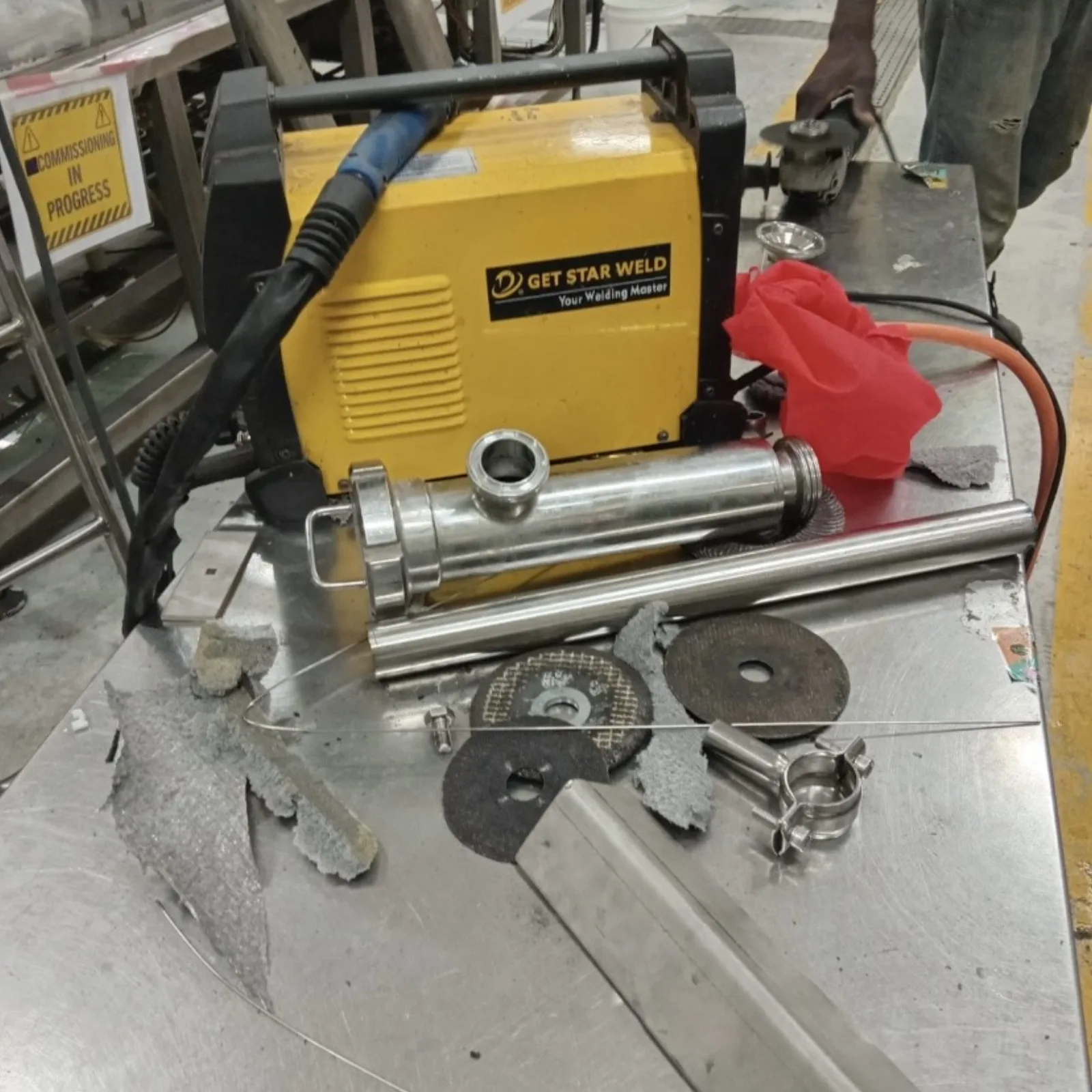

Pre-power checks
Panels are inspected against drawings for termination integrity, cable numbering, earthing continuity, segregation of power and signal, and correct protective device ratings before energisation.
Insulation resistance and phase rotation are verified so a wiring error never presents itself as a motor running backwards under load.
Point-to-point loop checks
Every input and output is proven from field device to controller tag to operator screen. Analogue loops are injected at their range limits to confirm scaling, and each tag is initialled on the loop sheet as it passes.
- Digital inputs forced at the field device, not simulated in software
- Analogue loops injected at 0%, 50% and 100% of span
- Signed loop sheet per instrument
Interlock and safe-state testing
Emergency stops, level and temperature trips, motor overloads and permissives are tested by actually causing the condition. Each test records the expected safe state and the observed response, including behaviour on loss of signal or loss of power.
SCADA, alarms and traceability
Alarm rationalisation removes nuisance alarms before go-live so operators still respond to the ones that matter. Historian tags, batch records and user roles are configured with audit trails for traceability requirements in food and beverage lines.
Training and the handover pack
Operators and plant technicians are trained on the running line, then given as-built drawings, controller and HMI program backups, IO and loop registers, alarm lists, spares recommendations and the maintenance schedule.
Key takeaways
- Prove loops from the field device, never from a software simulation
- Test interlocks by creating the real condition and record the safe state
- Rationalise alarms before go-live to protect operator trust
- Program backups and as-builts are part of commissioning, not an extra
Need this engineered on your fleet or plant?
Our engineers scope, install, commission and maintain across Burundi, Tanzania and DR Congo.